
Our Factory
Our factory
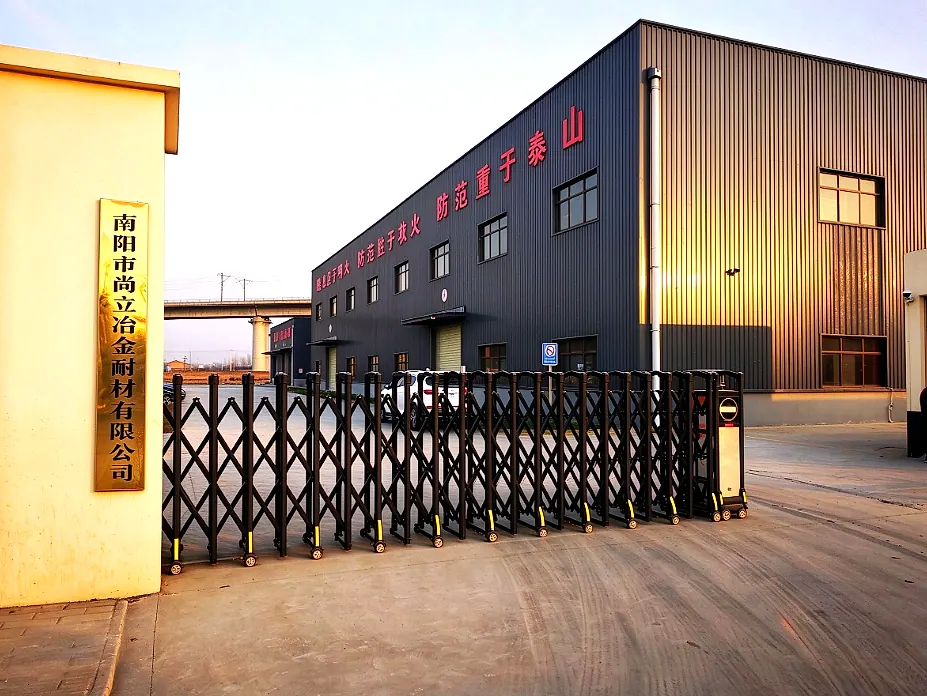
Everything we sell is produced at our plant in Xixia County, Nanyang, Henan Province — 10,000 m² of production, storage and loading space, operated by 83 people.
Inside the plant
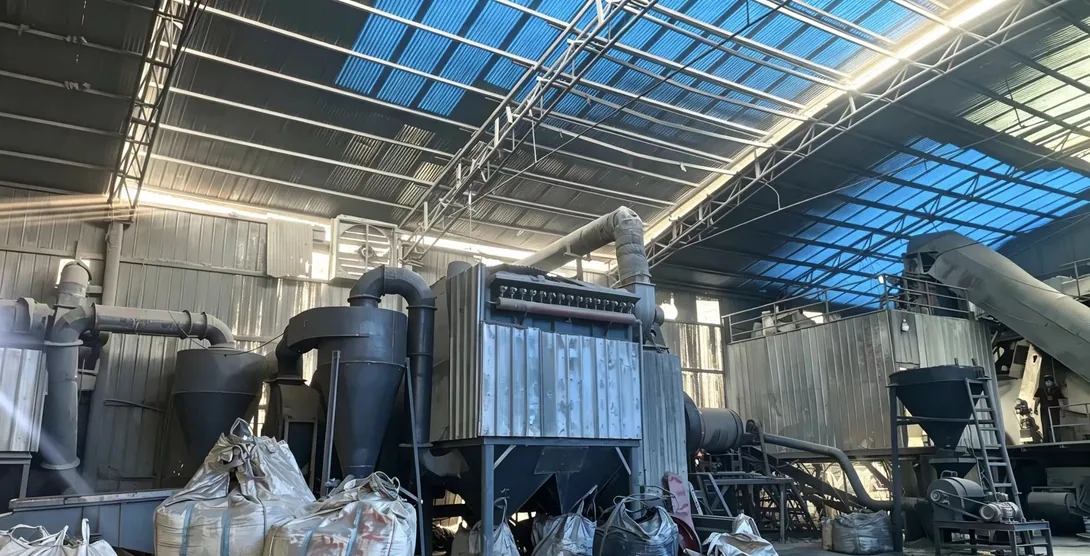
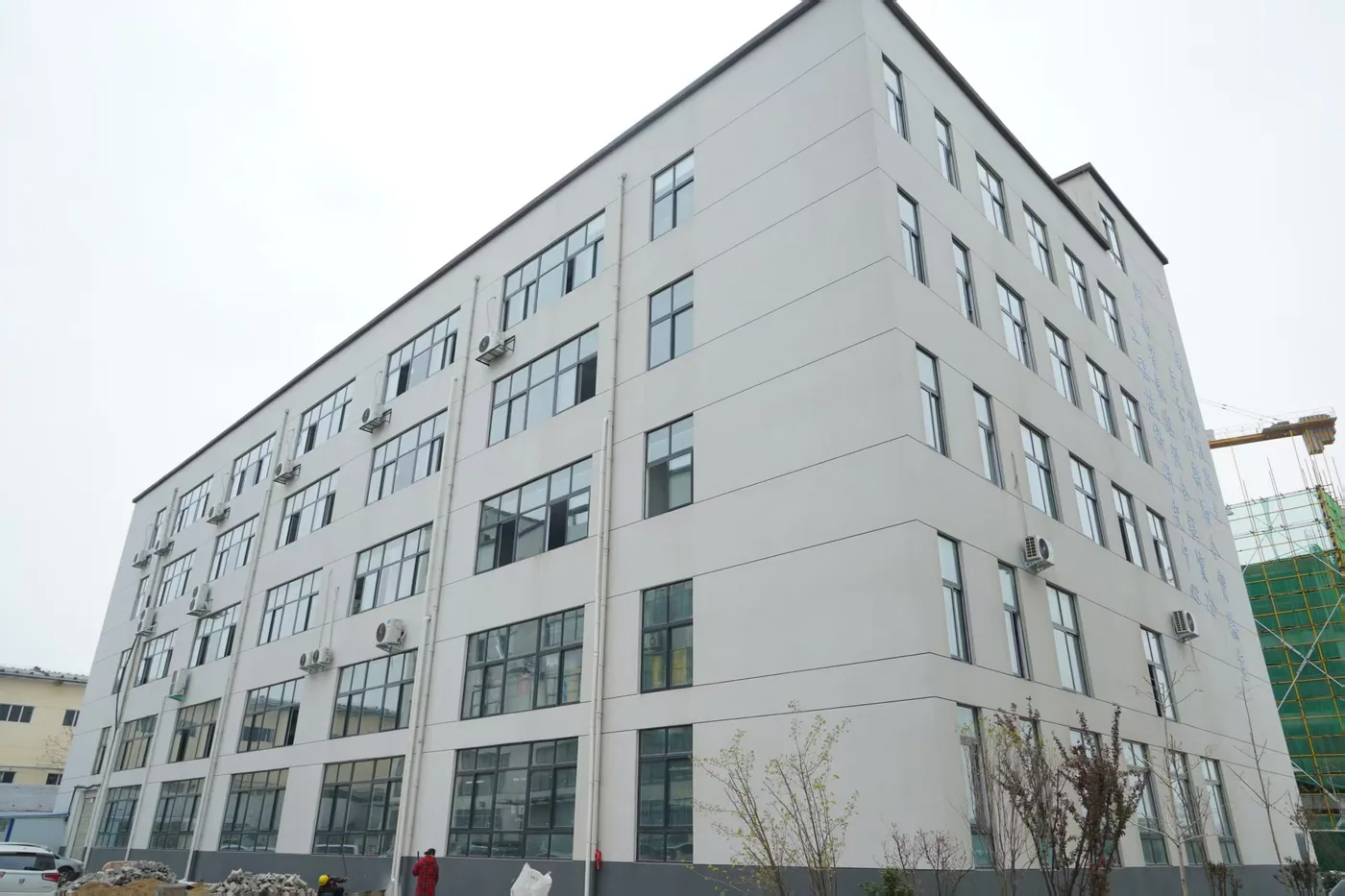
The line and the building, as they are
These are photographs taken at our own plant, not stock images. You are welcome to come and inspect it in person.
Office
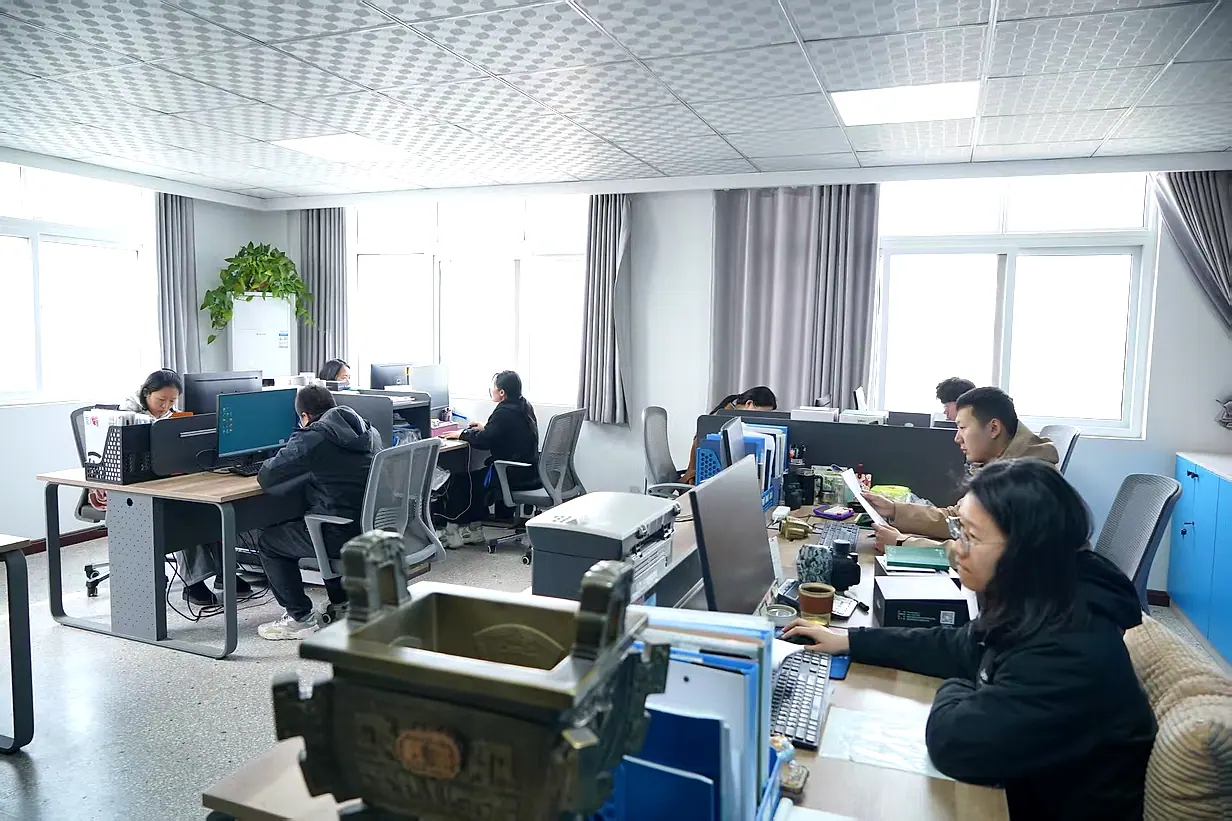
The office behind every order
Orders do not ship themselves. Our sales, engineering and logistics staff handle quotations, technical documents and export paperwork on site.
Capability
Production capability
- Annual capacity
- 30,000 tonnes
- Plant area
- 10,000 m²
- Workforce
- 83 employees
- Batching
- Mixer with metered water / binder addition
- Granulating
- Extrusion granulator, adjustable die and roller gap (line commissioned 2021)
- Drying and calcining
- Pulverised-coal fired rotary kiln with a controlled temperature profile
- Screening
- Vibratory screens with negative-pressure dust extraction
- Packing
- Calibrated scales — 10 kg, 25 kg and 1,000 kg bags
- In-house laboratory
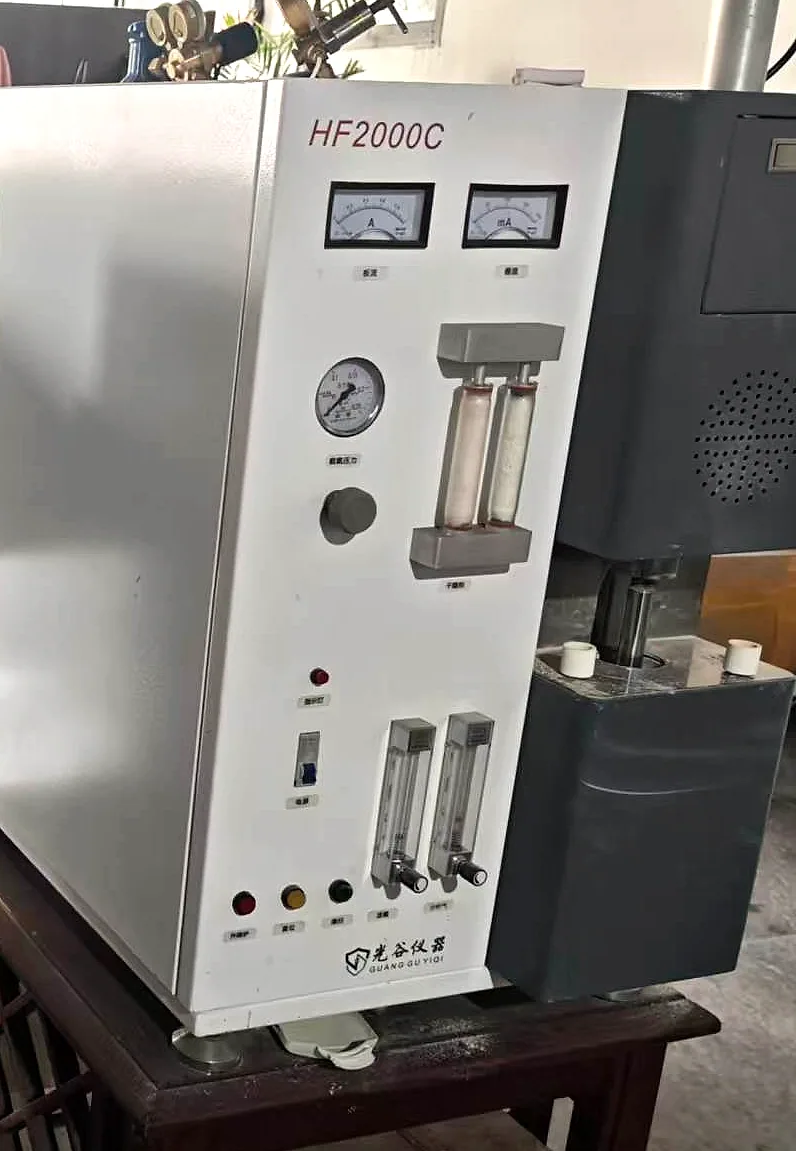
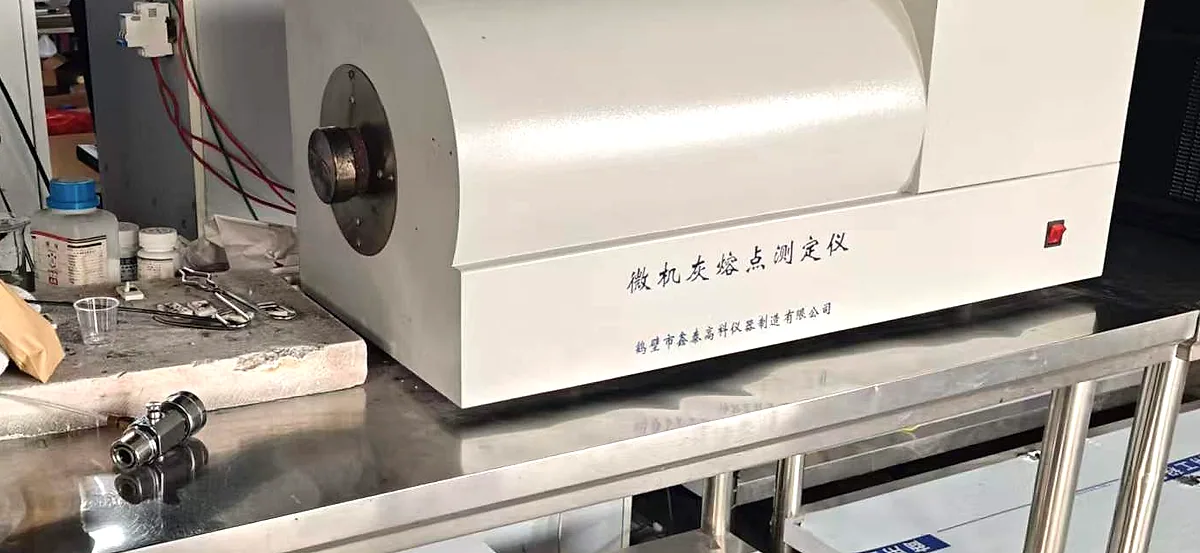
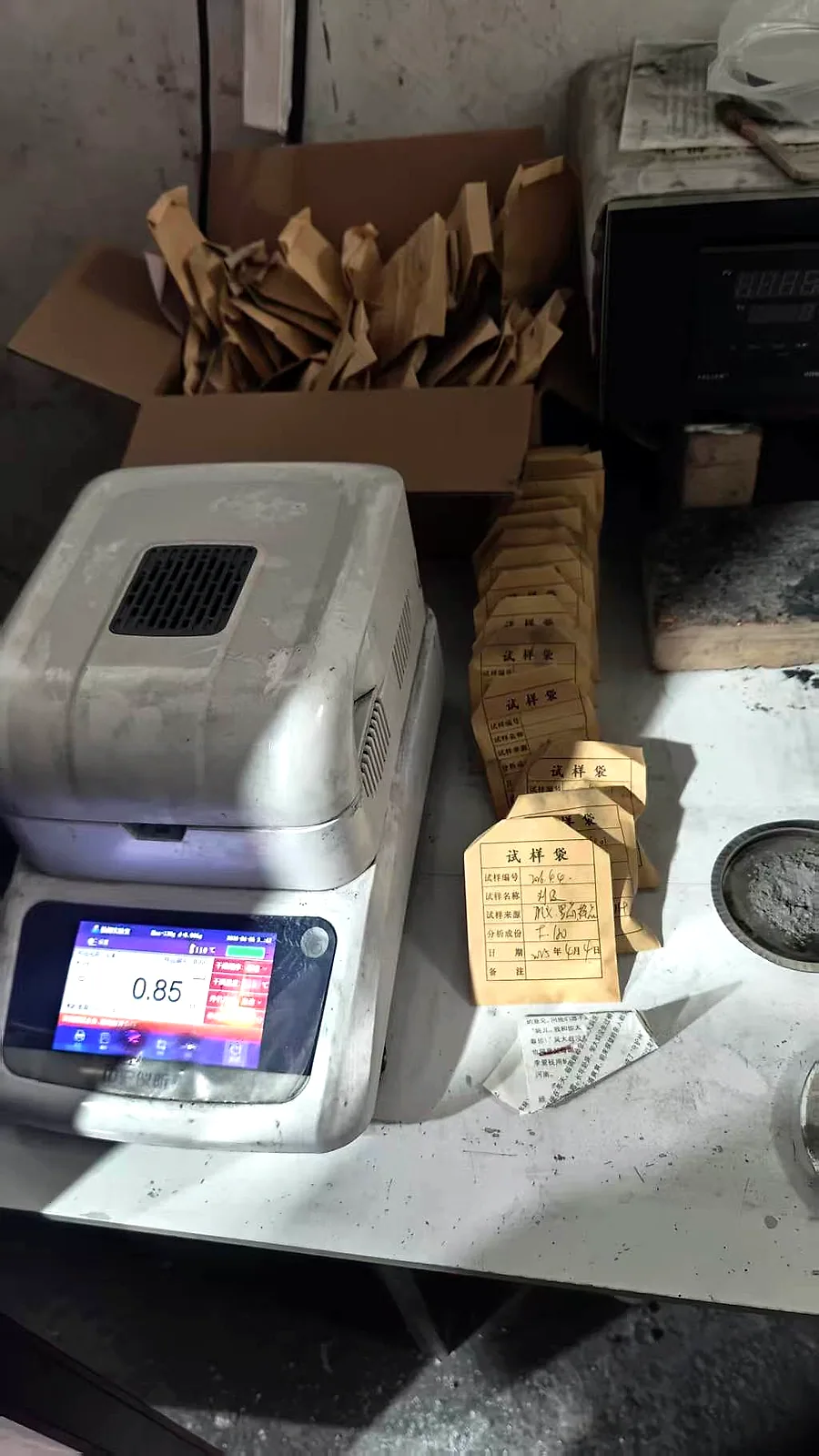
- Moisture, melting point, carbon content and wet chemistry analysis
- Quality system
- ISO 9001:2015, certified 2025
Process
Six process steps, and what we control at each
- 01
1. Batching and mixing
Powder raw materials are weighed to the batch card and mixed with a metered amount of water or binder. Water addition is held to ±1 %, and the batch is mixed for a fixed time until colour and texture are uniform with no dry pockets. Moisture is the one variable that decides whether the granulating line runs or jams, so it is controlled here rather than corrected further downstream.
- 02
2. Lifting to the granulator
Wet powder is lifted to the granulator buffer hopper. The elevator always starts empty — starting under load is what burns out a drive — and the bottom housing is cleared every shift. Packed powder at the base of an elevator is how a line like this catches fire, so it does not get left to build up.
- 03
3. Granulating — the core step
Wet powder is extruded through the die into solid granules of even length and density. Operators watch the main drive current continuously: when it climbs towards the rated value the feed is cut back before the die jams, rather than cleared out afterwards. Before any stop longer than 30 minutes the die is purged with an oiled compound, which is what keeps granule quality from drifting between batches.
- 04
4. Drying and calcining
Granules pass through the rotary kiln, fired by pulverised coal. The furnace is purged with air for at least five minutes before ignition, and the flame is read by colour — bright orange means the air/coal ratio is right, a dark flame means too much coal — then adjusted on that basis. The kiln runs a fixed profile, roughly 300 °C at the feed end down to 80 °C at the discharge end, and the barrel keeps turning until it is below 100 °C so it cannot warp.
- 05
5. Screening and dust extraction
Dried granules are screened to the size fraction agreed with the customer. Screen cloth is checked for holes every shift — one hole puts oversize material into the finished bag. Dust extraction runs continuously under negative pressure, which pulls surface fines off the granules and keeps the workshop clear.
- 06
6. Packing and waste recovery
Scales are calibrated against test weights before each packing run. Screen undersize and off-spec granules are recovered instead of discarded, but the re-feed ratio is capped — above roughly 10–15 % the binder has been through the kiln too many times and granule strength falls away, so it is not an open tap.
The steps above describe the main stages. Contact us if you need detailed information for a supplier evaluation or audit.
Quality control
Three layers of inspection
Every batch passes three checkpoints — when the raw material arrives, while it is running through the line, and before it leaves the plant. Results are recorded per batch and can be supplied with the shipment.
- 01
Incoming inspection
Deliveries are checked against the purchase specification before they are accepted, and a probe sample is drawn from the top, middle and bottom of the bag, blended and reduced to a test portion.
- Appearance — no caking, no mould, no visible contamination such as wood chips or iron
- Moisture — measured at 105 °C for 2 hours on a moisture balance
- Particle size — 95 % or better passing the specified sieve
- Key constituents — wet chemical analysis in our own laboratory
- New raw materials get a full laboratory test plus a trial run on the line before bulk purchase
- Out-of-spec material is quarantined and labelled; a serious composition deviation is returned to the supplier
- 02
In-process inspection
The line is monitored at fixed intervals rather than checked once at the end, so a drift is caught before it becomes a whole batch of scrap. Operators self-check continuously and the inspector patrols on a schedule.
- After mixing — moisture within ±1 % of set point, and the batch visually uniform with no dry or muddy pockets
- At the granulator outlet — granule diameter, length and surface condition checked every 30 minutes
- Wet strength — granules must hold together under finger pressure, checked every 30 minutes
- Discharge temperature — held below the process ceiling (around 85 °C), logged hourly
- At the kiln outlet — final moisture at or below 5 %, granule hardness and appearance checked hourly
- After screening — granule yield and surface fines checked every 2 hours
- The inspector has the authority to stop the line when a batch-level problem is found
- 03
Final inspection before dispatch
Sampling is done after packing, at roughly one bag in ten, with a portion drawn from several points in each bag. A 500 g retention sample is sealed and kept for every batch.
- Appearance — uniform granules, no scorching, no cracks, no loose powder
- Particle size by standard sieve
- Moisture — 5.0 % maximum
- Strength — granules must survive a 1 m drop onto concrete with 95 % or better intact
- Granule yield — 95 % or better complete granules after screening
- Net weight and bag marking — product name, specification, batch number and production date
- Passing batches get a release note; failing batches are quarantined and reworked, downgraded or scrapped
- Inspection records are held for at least one year beyond the product shelf life
In-house laboratory
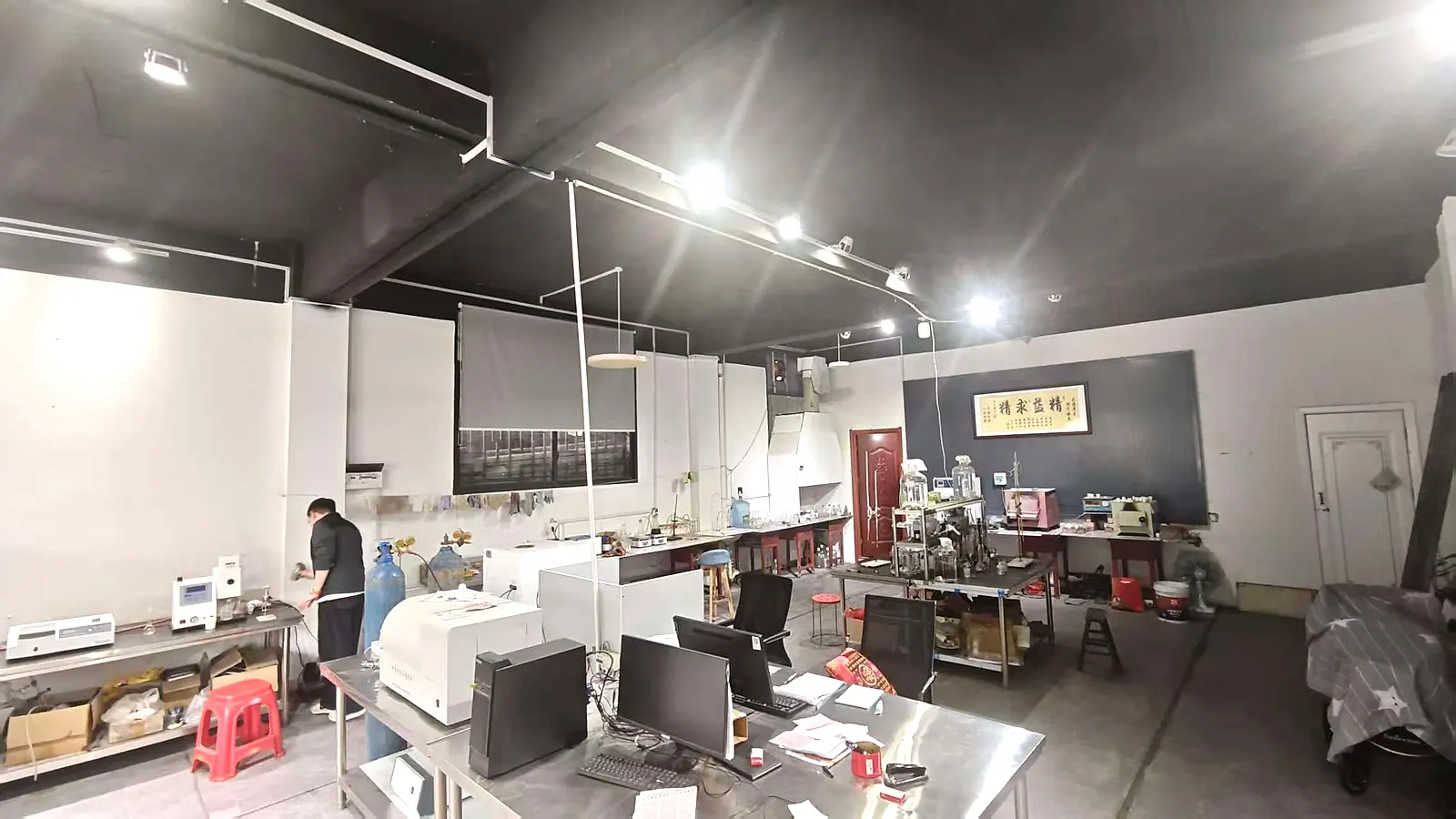
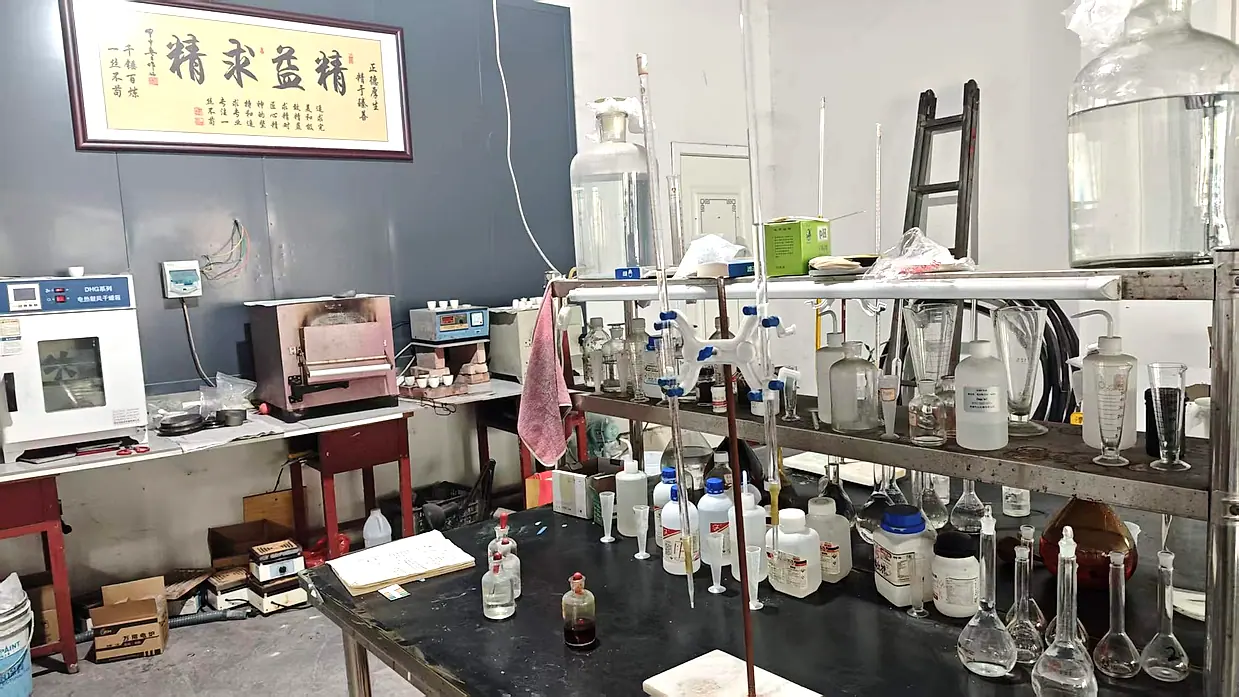
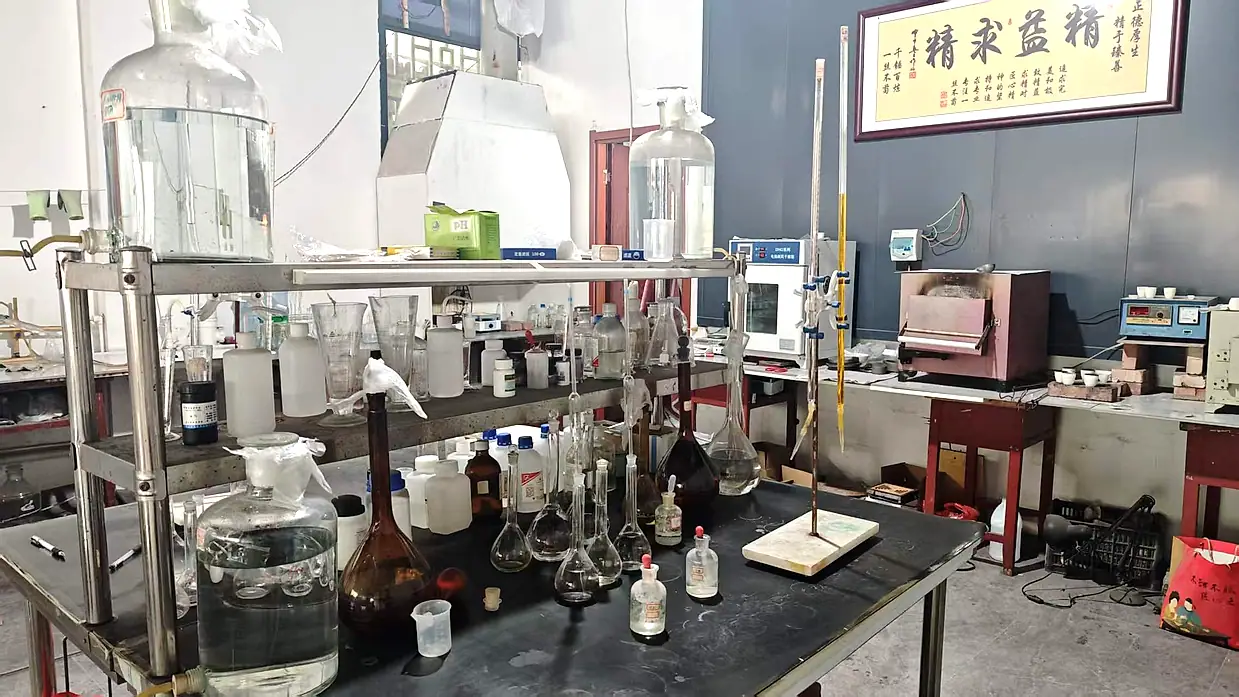
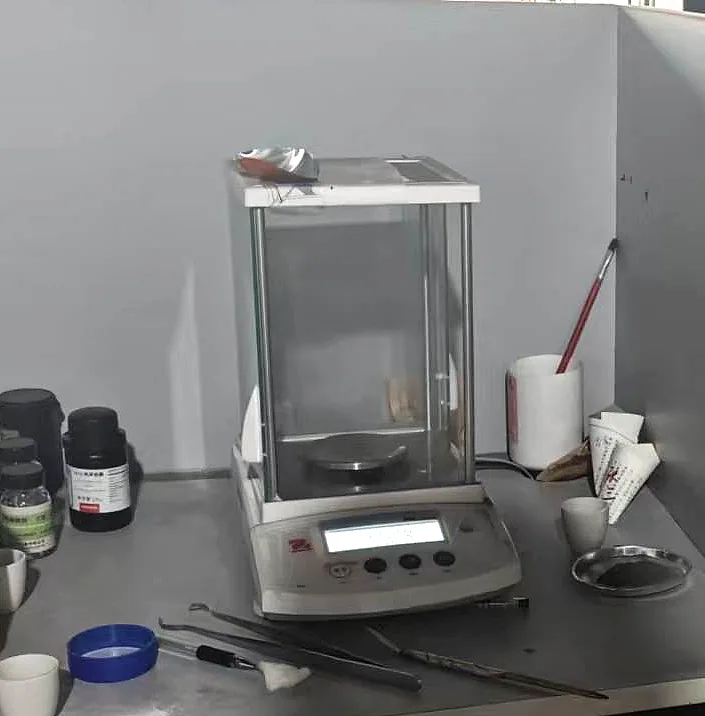
Testing in-house means we have the result the same day instead of waiting on an outside laboratory. These are the bench and the instruments it happens on.
Certification
Certification and registration
Originals can be supplied with a tender package or inspected when you visit.
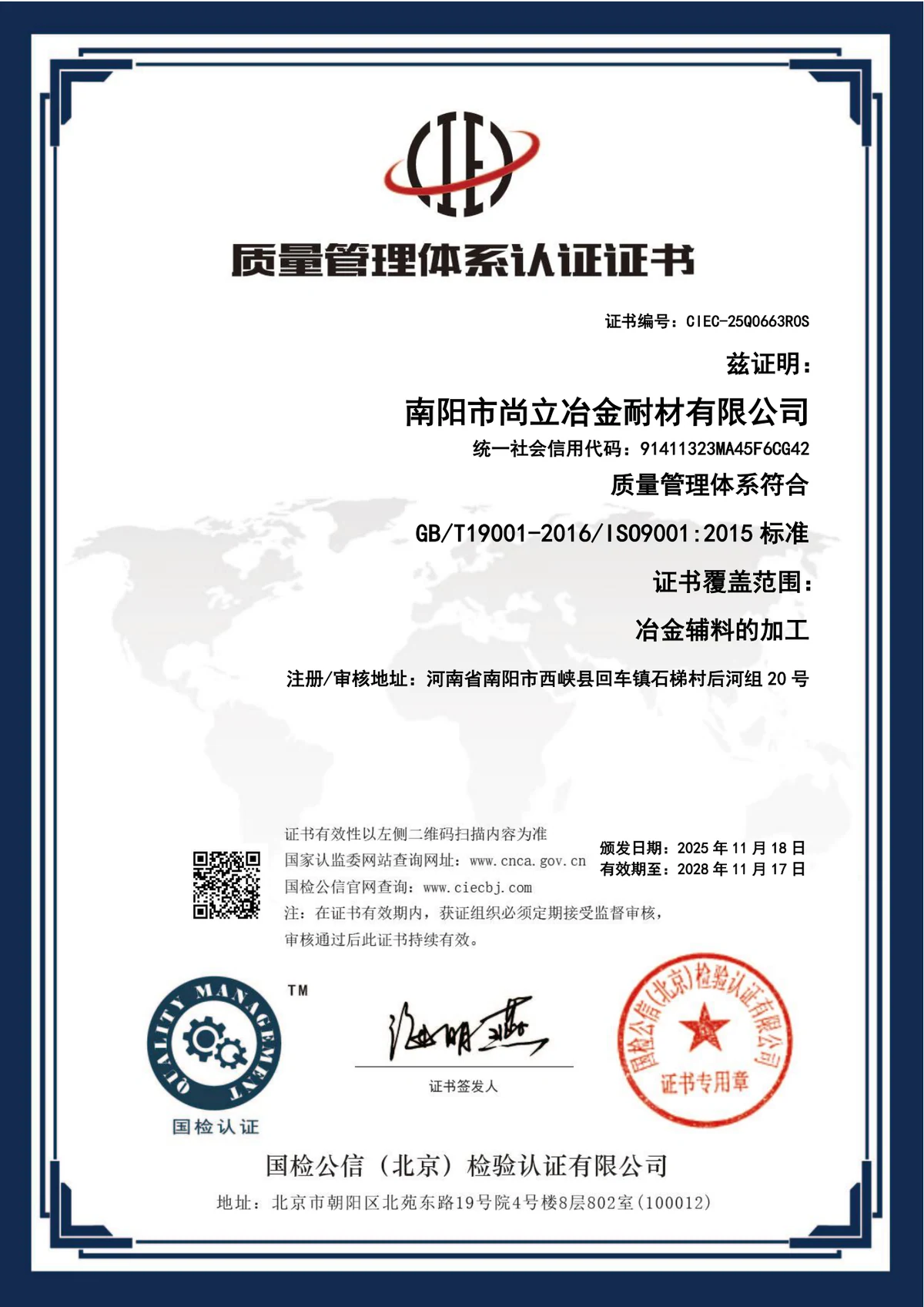
ISO 9001:2015 Quality Management System
- Issued by
- China Inspection & Certification (CIEC), Beijing
- Standard
- GB/T 19001-2016 / ISO 9001:2015
- Certificate no.
- CIEC-25Q0663R0S
- Valid to
- 2028-11-17
- Scope
- Processing of metallurgical auxiliary materials
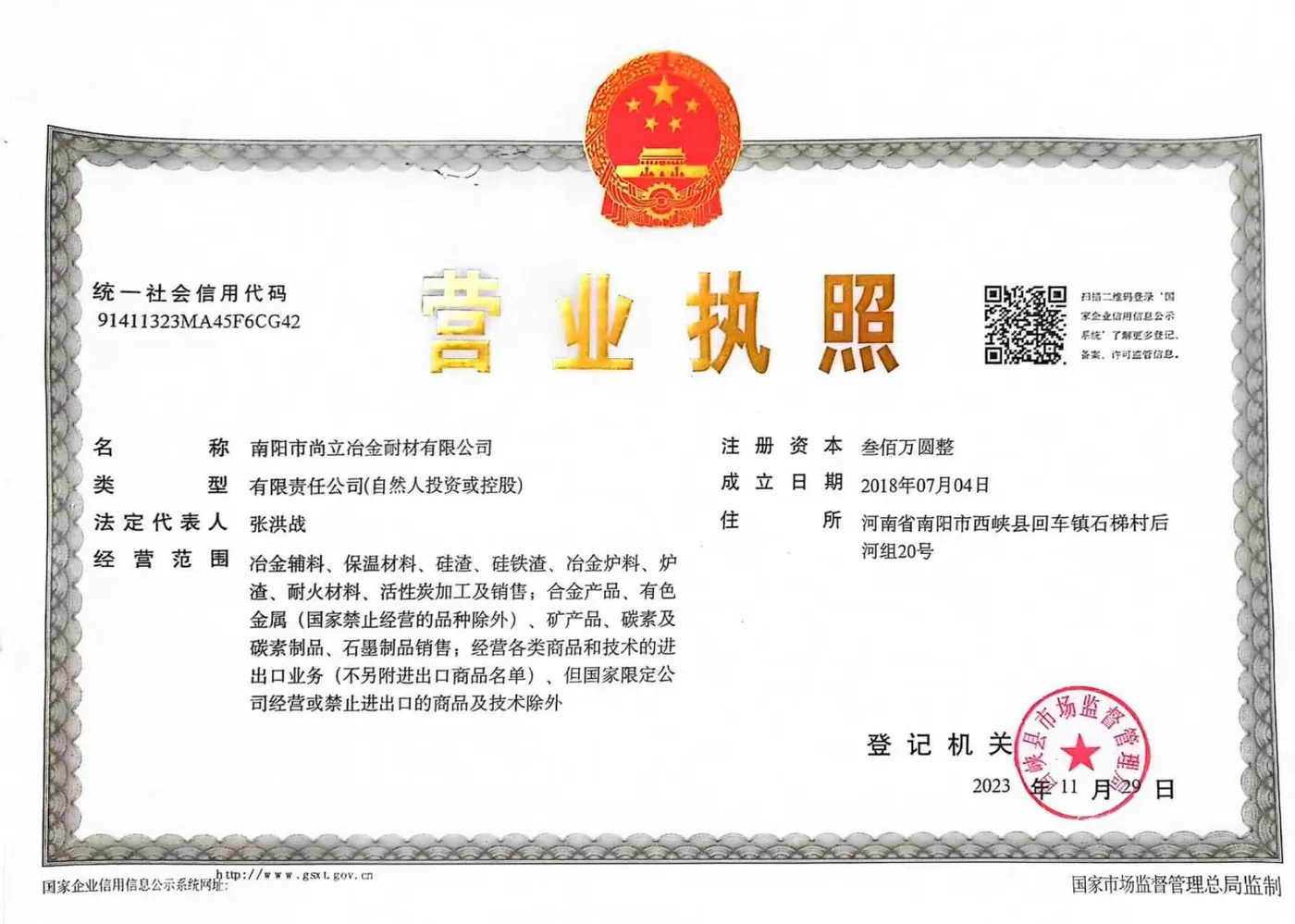
Business licence of the People's Republic of China
- Issued by
- Xixia County Market Supervision Administration
- Certificate no.
- 91411323MA45F6CG42
- Scope
- Registered manufacturer of metallurgical auxiliary materials, insulating materials and refractory materials, with import and export rights
Location
Where we are
Our plant sits in Xixia County, Nanyang, in the south-west of Henan Province. Henan is one of China's main clusters for refractory and metallurgical materials, which means raw material supply, processing capability and skilled labour are all close by — and that shows up in the price we can quote.
Want the factory capability file?
We can send our company profile, certificates and product data sheets to support your internal supplier evaluation.