
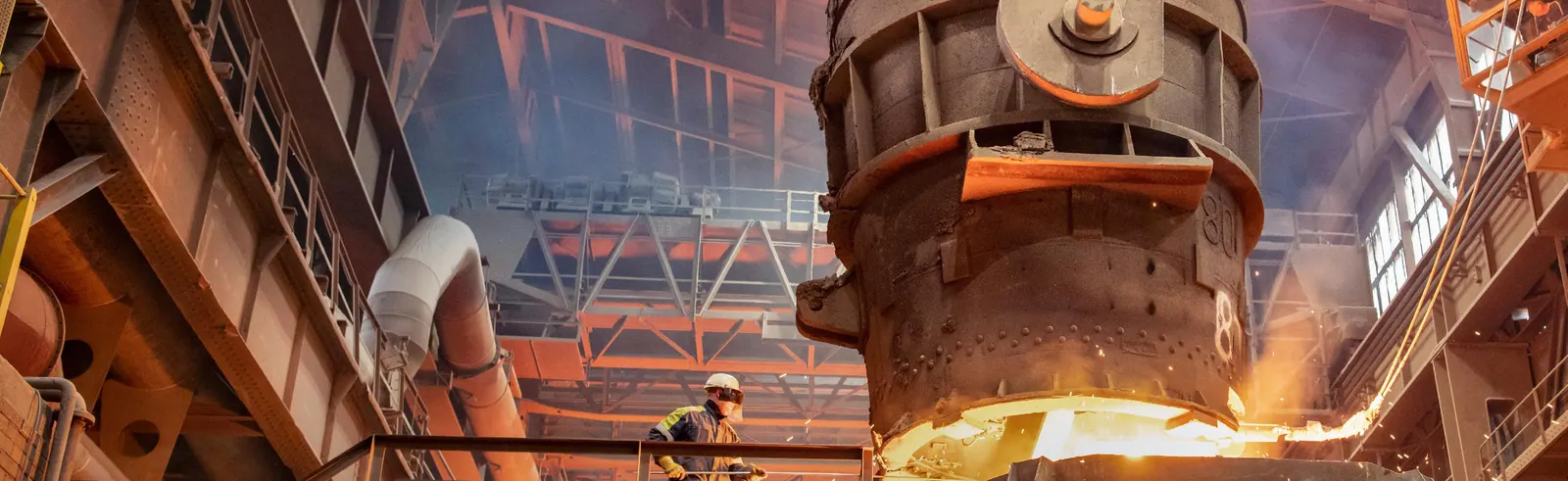
Exothermic Hot Topping Compound is one of the few consumables where the cost per kilogram is high enough that over-adding is immediately visible in the cost sheet — and under-adding is immediately visible in the crop loss. Getting the amount right is worth real money in both directions.
The first variable is ingot weight and section size. A heavier ingot with a larger cross-section holds more heat but also has more metal to feed. The riser needs enough exothermic material to stay liquid for the whole solidification time of that section, not just the first few minutes.
The second is the steel grade. Grades with a wider solidification range, and alloys with a high latent heat, need more feeding than plain carbon steel of the same weight. If you have moved into alloy production without revisiting your exothermic addition, that is a likely source of internal defects.
The third is the riser design itself. A riser that is well insulated from the mould starts from a better position and needs less exothermic material. A tall, narrow riser behaves differently from a short, wide one. The Exothermic Hot Topping Compound is part of a system, not a substitute for the system.
A practical way to work this out is to run two adjacent moulds with different addition rates and compare the crop length and the macrostructure after cropping. Two or three iterations will usually land on the right figure. If you want to shortcut the process, send us the ingot weight, section size, steel grade and your current addition rate, and we will recommend a starting point based on comparable cases.
Related product
Exothermic Hot Topping Compound
A thermit-type compound that ignites on contact with molten steel and keeps the riser head hot while the casting solidifies — so shrinkage cavities and pipe stay in the riser, not in your product.